

Today, artificial intelligence (AI) is no longer a niche field of study but a driver of innovation across a wide range of industries. This is having a major effect on higher education, especially the discipline of computer science, with professionals in this subject – such as Jonathan De Vita – becoming increasingly sought after.
AI in the Study of Computer Science
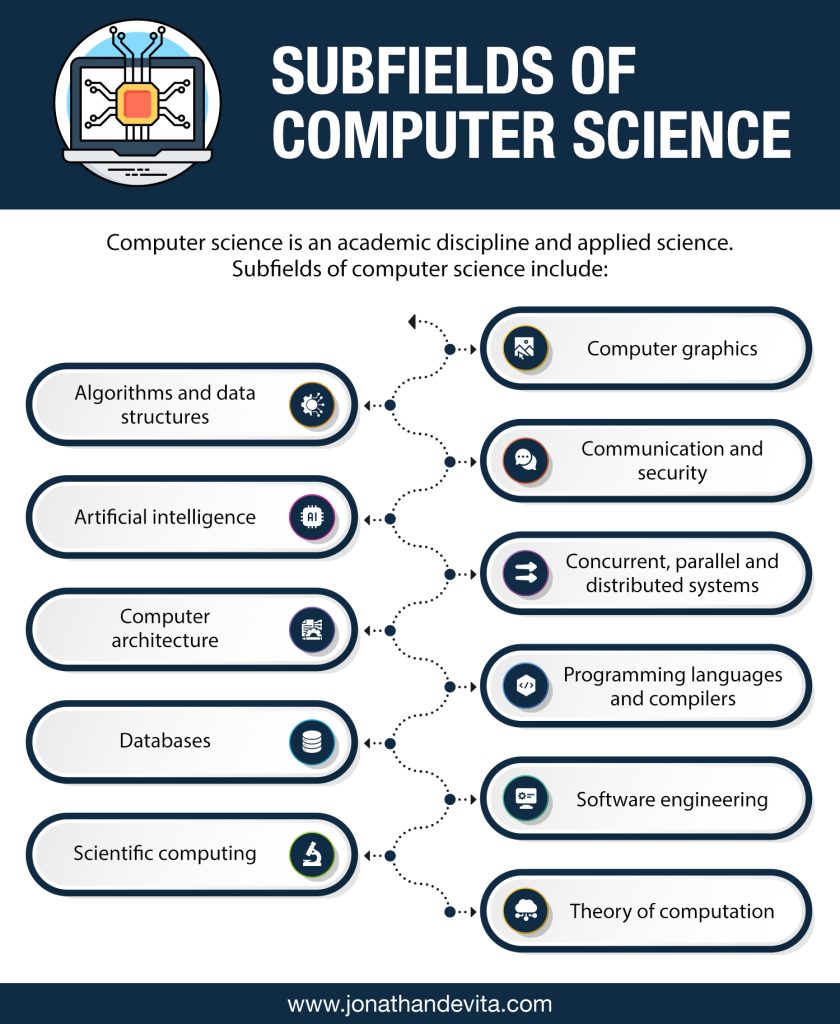
AI and machine learning are integrated into computer science as a field of study. A subfield of computer science, AI focuses on creating systems to perform tasks that usually require human intelligence. Such tasks include decision making, problem solving, visual perception and natural language processing, all areas extensively studied by computer scientists.
The use of AI in educational settings isn’t limited to specialist modules, with tools including adaptive learning environments, chatbots and intelligent tutoring systems providing students with innovative, personalised learning experiences.
Transforming Careers
AI is also fundamentally reshaping careers in computer science. While programming has been the traditional focus of work in computer science, this has now expanded to include data interpretation, algorithm optimisation and model training.
Furthermore, AI has opened exciting new career opportunities in computer science, as it enables professionals to tackle and solve complex problems in fields such as finance, healthcare and logistics. Strong earning potential is often a benefit of these roles, with the average salary often exceeding industry ‘norms’.
Why Is Learning About AI in Computer Science So Important?
Given that AI is quickly becoming a key element of almost all aspects of technology, learning about this field is vital for computer science students. Understanding AI is crucial in areas including data science, cybersecurity, software development and more, meaning computer scientists need a strong grounding in AI tools and techniques to be competitive in a rapidly evolving workforce.
Furthermore, studying this subject promotes critical and computational thinking, and its knowledge and skills have wide applications across many different disciplines. Knowing how to design, implement and maintain AI tools gives students an edge in most technical fields.
An example of AI-focused computer science roles includes machine learning engineer, data scientist, AI software developer, AI product manager and AI research scientist. The latter is concerned with advancing the practical and theoretical applications of artificial intelligence.